
🔑 Key Takeaways
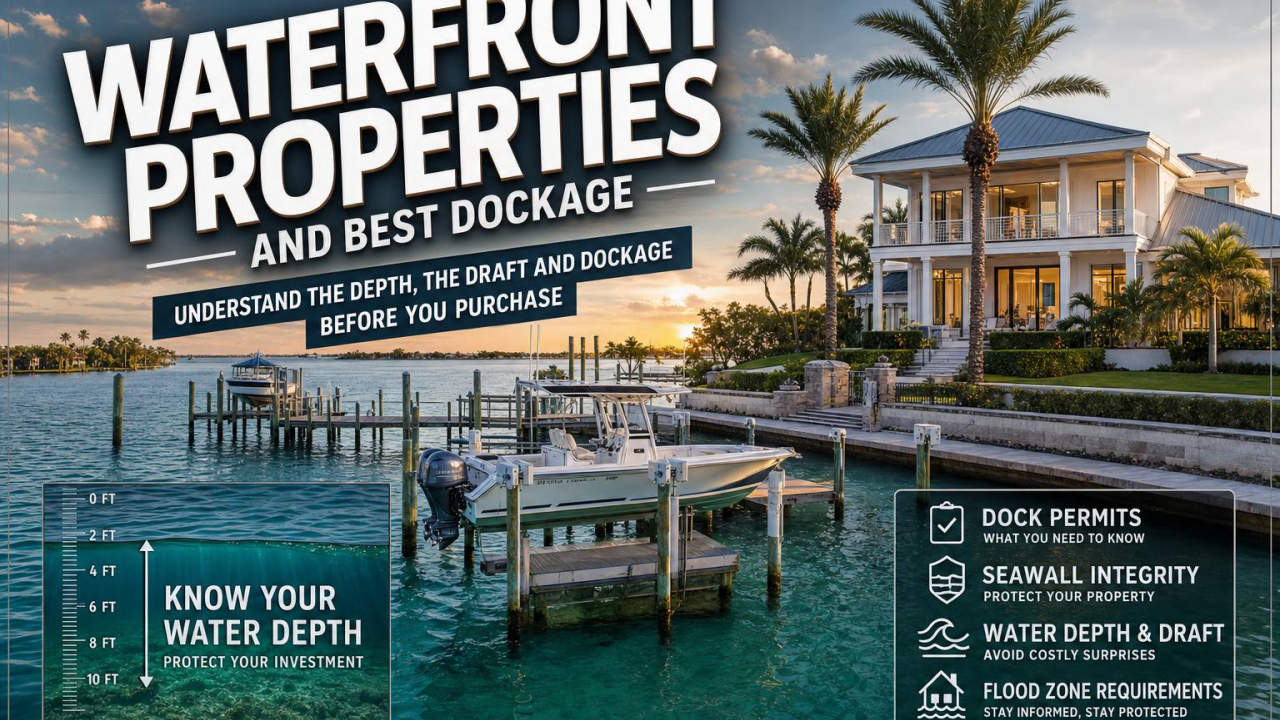
- Verify flood zone classification (A, V, or X zone) and obtain actual flood insurance quotes before purchase, as annual costs can reach thousands of dollars and significantly impact property affordability
- Commission a structural engineer to evaluate seawall condition, as failures can result in six-figure repair bills and are a common source of unexpected waterfront property costs
- Confirm riparian rights and water access through title search and legal review, as some properties have shared easements or limited dock access that restrict direct water use
- Review HOA covenants, architectural guidelines, and reserve studies in premium developments to budget for rising fees and special assessments that often catch buyers off-guard
- Hire qualified professionals including real estate attorneys, environmental consultants, and structural engineers early in the process to prevent million-dollar mistakes
📋 Episode Chapters
Episode Summary
Show Notes
📝 Full Episode Transcript
Full Episode Transcript: Hobe Sound & Stuart Waterfront Due Diligence Guide
This is the complete, auto-generated transcript of the episode. Timestamps are provided for quick reference.
Welcome to Hobe Sound and Stuart Waterfront Due Diligence Guide. Quick heads up, this program was created with AI assistance and uses a synthetic narrator. The content was reviewed and approved by Ted Guarnero before we published it.
Information is believed to be accurate, but you should independently verify everything. And just so you know, this program doesn't provide legal, tax, lending, or appraisal advice.
Okay. So today I'm talking with Ted Guarnero about something that honestly doesn't get enough attention. Buying waterfront property in Hobe Sound and Stuart.
Everyone gets caught up in the views, right? But there's so much more you need to check out before you actually put your name on the dotted line. Hey, thanks for having me.
You know, that's exactly right. I mean, waterfront is gorgeous down here. We're talking stunning sunsets, direct water access, all that. But if you don't do your homework, you could end up with some really expensive surprises.
And I'm talking environmental issues, deed restrictions, flood zones, insurance costs that'll make your head spin. Oh, wow. Okay.
So let me ask you this. When someone comes to you ready to buy waterfront, what's the first thing you tell them to look into? Flood zones and insurance.
Seriously, this is huge. You've got to pull the flood maps, understand whether you're an A zone, V zone or X zone, and then you need to get actual flood insurance quotes before you close.
People think, oh, I'll just get homeowner's insurance. And then they find out they need separate flood coverage and it's thousands a year. That changes the whole math on the property.
Right, right. So you're basically saying don't fall in love with the property until you know what it's actually going to cost to own it. That makes total sense.
What else? I mean, there's got to be environmental stuff too, right? Oh, absolutely. You need environmental assessments, phase one, phase two, if necessary.
We're looking for contamination, wetlands issues, seawall condition, erosion. And here's the thing. If there's a seawall, you need a structural engineer to evaluate it. Those things fail.
And suddenly you're looking at a six figure repair bill. Plus you got to check if the property is in a mangrove protection area, or if there are any environmental deed restrictions that limit what you can do with the land.
Okay. So that's the environmental side. But I'm also thinking, what about the actual deed and the legal stuff? Like what rights do you actually have to the water?
Perfect question. You need a title search, obviously, but you also need to understand riparian rights. That's your right to use the water in front of your property. And then there are HOA restrictions, dock regulations, setback requirements from the state and county.
Some properties have shared dock access. Some have private docks with maintenance agreements. You got to know exactly what you're getting. We've seen deals where people thought they had direct water access and found out later they don't.
Or they do, but there's a shared easement that comes with all kinds of limitations. No kidding. So you're really saying you need to treat this like a forensic investigation before you even make an offer.
I mean, Hobe Sound and Stewart are such beautiful areas. Places like the falls at Lost Lake are gorgeous. But I'm guessing even in those premium developments, you still need to do all this due diligence?
Especially in premium developments. Look, those communities have their own set of covenants and restrictions. You need to review the architectural guidelines, understand what you can and can't do with the property, what the HOA fees cover, what the reserve study looks like.
And honestly, that's where a lot of people get blindsided. They don't budget for rising HOA fees or special assessments. So yeah, even in the nicest neighborhoods, you've got to dig into the document. This is really helpful.
So I guess the bottom line is, don't let the view distract you from the reality of what you're actually buying. Ted, anything else people should know before they start looking at waterfront properties around here?
Just this hire professionals. Get a good real estate attorney, an environmental consultant, a structural engineer if there's a seawall. Yeah, it costs money up front, but it saves you from making a million dollar mistake.
And take your time. Waterfront moves fast, but not so fast that you should skip the due diligence. That's the whole point. That's solid advice.
Ted, thanks so much for breaking this down. I think a lot of people are going to find this really valuable. We've linked some resources and related content in the show notes if you want to dig deeper.
But seriously, great stuff today. Thanks for having me. Always happy to talk about this stuff.
❓ Frequently Asked Questions
What flood zones apply to waterfront properties in Hobe Sound and Stuart?
Waterfront properties in this area are classified into A zones, V zones, or X zones, each with different flood risk levels and insurance requirements. You must pull official flood maps and obtain flood insurance quotes before closing, as many buyers are surprised to learn they need separate flood coverage beyond standard homeowner's insurance, often costing thousands annually.
How much does a seawall repair cost for waterfront property?
Seawall repairs can exceed six figures depending on structural damage and erosion severity. This is why hiring a structural engineer to evaluate seawall condition before purchase is essential to identify potential six-figure liability issues early in the buying process.
What are riparian rights and why do they matter?
Riparian rights are your legal rights to use the water in front of your property. Some waterfront properties have shared dock access or easements with significant limitations, while others have private docks with maintenance agreements. A title search and legal review must confirm exactly what water access rights you're actually purchasing.
What environmental issues should I check before buying waterfront in Stuart?
Environmental due diligence includes Phase 1 and Phase 2 assessments for contamination, wetlands evaluation, mangrove protection area restrictions, and environmental deed restrictions. These can limit how you use the land and may require remediation, making professional environmental consultation crucial before offer submission.
How do HOA fees and special assessments affect waterfront property ownership?
Premium waterfront communities have covenants, architectural guidelines, and reserve study requirements that often come with rising HOA fees and special assessments. Many buyers are blindsided by these costs, so thorough review of community documents and fee structures is essential to accurate ownership budgeting.
About the Host

Get Your Free Home Valuation from Ted Guarnero
Whether you're thinking about selling, refinancing, or just curious — get an instant, free home valuation report with neighborhood comparisons and market trends.